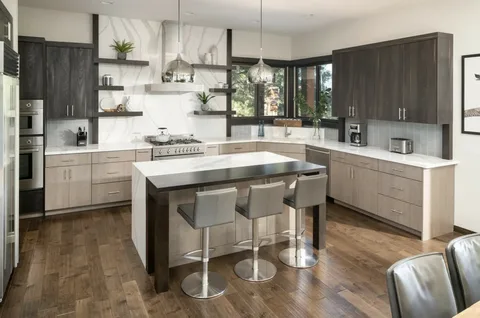
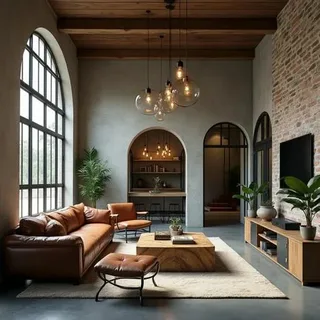
A beautiful room does not happen by accident. It starts with a clear idea, a sense of balance, and choices that fit the people who use the space. Interior design can make a room feel calmer, brighter, warmer, or more useful. However, creating that feeling does not require a huge budget or a perfect home. It requires thoughtful choices.
Start by looking at the room as a whole. Notice its size, natural light, layout, and purpose. Then, build each design choice around those features. Most importantly, good design should make daily life easier and more enjoyable. Follow these simple steps to create a room that feels polished, welcoming, and truly yours.
1. Define the Room’s Main Purpose
Begin with the room’s purpose before thinking about colors or furniture. A living room may need to support conversation, reading, family time, and relaxation. A bedroom may need to create a quiet and restful mood. Therefore, define the main activities first.
Think about who uses the room most often. Consider their daily habits, comfort needs, and storage needs. Also, notice which items must stay in the space. This simple step creates a useful foundation for interior design. Next, write down three words that describe the feeling you want. Words like calm, warm, bright, simple, or cozy can guide later choices.
2. Study the Room Before Adding Anything
Take time to understand the room itself. Measure the walls, doors, windows, and major openings. Then, record the room’s length and width. Accurate measurements can prevent furniture from looking too large or leaving awkward gaps.
Instead of fighting these features, make them part of the design. Use the available space wisely. Leave enough room for people to walk comfortably. Keep frequently used areas easy to reach. Most importantly, avoid filling every empty corner. Good home interior design starts with understanding the room you already have. Once the space makes sense, decorating becomes much easier.
3. Choose a Simple Color Direction
Select a color direction before bringing many new shades into the room. Start with one main color, then add supporting tones. This approach creates visual order without making the room feel dull. Neutral colors can create a calm foundation. Meanwhile, soft greens, blues, warm browns, and muted earth tones can add character. Brighter shades can work well as small accents. A commercial interior designer often considers how people move, work, and interact within a space. That same thinking can help residential rooms feel more practical.
Interior Design works best when colors support the room’s purpose. A bedroom may benefit from soft, peaceful tones. A creative space may handle stronger contrast. Think about nearby rooms, too. Colors do not need to match perfectly. However, a gentle connection between spaces can make the entire home feel more balanced.
4. Build the Layout Around Movement
Place furniture based on movement rather than appearance alone. Start with the largest item in the room. Then, position other pieces around it. For a living room, face seating toward the main conversation area. For a bedroom, keep the bed as the visual anchor. Meanwhile, place storage where it remains easy to access.
Three layout priorities:
Flow: Keep walking areas open and natural.
Balance: Spread visual weight across the room.
Function: Keep useful items close to where they are needed.
A strong layout can make a room feel larger without changing its size. It can also improve comfort and reduce daily frustration.
This is one of the most useful interior design tips because layout affects almost everything else. When furniture works well, the room already feels more finished.
5. Select Furniture for Scale and Comfort
Choose furniture that fits the room rather than simply choosing the largest pieces available. Large furniture can overwhelm a small space. Conversely, tiny furniture may make a large room feel unfinished. When considering how to decorate a room, focus on useful pieces first. Then, add decorative elements around them.
Most importantly, choose quality based on use. High-use furniture deserves careful attention because comfort and durability matter every day.
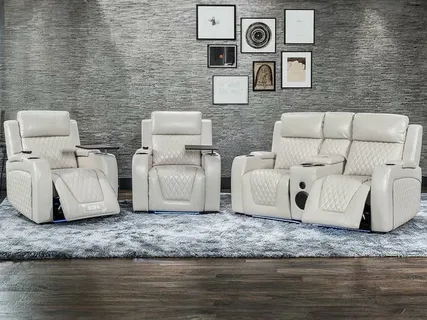
6. Add Layers With Texture and Lighting
A room can have beautiful colors and furniture yet still feel flat. Texture and lighting can solve that problem. Add different surfaces to create depth and warmth.
Combine smooth, soft, woven, natural, and slightly rough textures. For example, pair a smooth table with a soft rug and woven accents. These differences create visual interest without adding clutter. Simple interior decorating ideas often focus on these small details. A textured blanket or carefully placed lamp can change the entire feeling of a room.
Think of lighting as part of the room’s design, not an afterthought. Good lighting can highlight artwork, improve reading areas, and make spaces feel more welcoming.
7. Add Personality Without Creating Clutter
A well-designed room should still feel like someone’s home. Add items that reflect interests, memories, and everyday life. Personal details give a space character.
Start with meaningful artwork, photographs, books, or objects. Display a few favorites instead of showing everything at once. This keeps the room personal while maintaining visual calm. This approach also supports practical interior design because thoughtful editing keeps the room useful.
Simple Editing Questions
- Does the item have a purpose?
- Does it add beauty or meaning?
- Does the room still feel easy to use?
If an item creates clutter without adding value, consider moving it elsewhere. A room often becomes more attractive when fewer things receive more attention.
8. Review the Room as a Complete Design
Step back after the main choices are in place. Look at the room from different angles. Notice whether the colors, furniture, lighting, and accessories feel connected.
Look for areas that feel too heavy or too empty. Move pieces when necessary. Small changes can improve balance without requiring new purchases. Likewise, a residential interior designer considers comfort, lifestyle, storage, and personal taste. These ideas show why good design involves more than choosing attractive objects.
The strongest room design combines beauty with everyday function. It should look appealing while supporting real life. Most importantly, it should continue feeling comfortable long after the decorating process ends.
Let the Room Tell Its Own Story
A thoughtfully designed room can change how everyday moments feel. Morning light can feel softer. Conversations can feel easier. Quiet evenings can feel more peaceful. The right choices create those experiences without making the space feel forced.
Good Interior Design comes from balance, purpose, comfort, and personality. Start with the room’s needs, then build the look around them. Keep colors connected, furniture comfortable, pathways clear, and personal details meaningful. For larger needs, people may also explore interior design services in Orland Park, IL for professional guidance. Avoid chasing trends simply because they look popular. Instead, create a space that fits real habits and lasting preferences.
Conclusion
For anyone exploring ideas beyond a simple refresh, Laura’s Interiors can also serve as a reference point when considering professional design perspectives. In the end, the best room is not the one that looks perfect in a photograph. It is the one that feels right when daily life begins.
FAQs
1. What is the first step in designing a room?
Start by defining the room’s main purpose. Consider who uses the space, what activities happen there, and what the room needs to support.
2. How many colors should a room have?
A simple color plan usually works best. Choose one main color and add supporting shades through furniture, textiles, artwork, or small accents.
3. How can a small room feel larger?
Keep walking paths open and avoid oversized furniture. Use light where possible, maintain visual breathing space, and choose furniture that fits the room’s scale.
4. What makes a room look professionally designed?
Balance, scale, lighting, color, and function all matter. A professional-looking room does not need expensive items. Instead, furniture should fit the space, colors should connect, and decorative pieces should support the overall design.
5. Should every room be a home match?
Rooms do not need to match exactly. However, repeating a few colors, materials, or design details can create a natural connection.