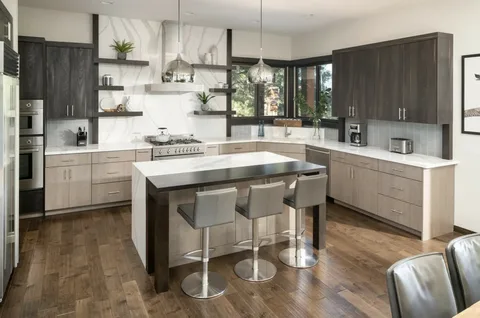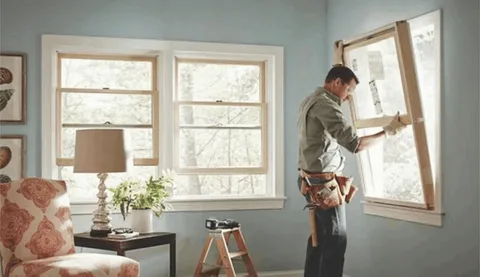
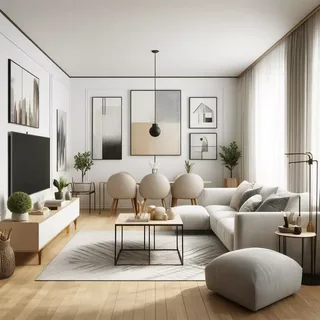
Ever save dozens of lovely rooms on Pinterest, only to realize they don’t look anything alike? One features straight lines and neutral hues. Another is warm and rustic. Then you see a colorful layered space, and you enjoy that too.
Choosing an Interior Design style can feel overwhelming when you like a little bit of everything.
The problem is that choosing furniture, colors, and decor without a clear direction can leave your home feeling disconnected. You may spend money on pieces you later want to replace.
The good news? You do not need to follow one design trend perfectly.
The right style should reflect how you live, what you love, and how you want your home to feel.
This guide explores popular interior design styles and gives you practical ways to decide which one fits your home and lifestyle.
Why Finding Your Interior Design Style Matters
As soon as you set foot in your house, you should feel at ease. Although aesthetics are important, a room’s functionality is of utmost importance for your daily routine.
A family with little children, for instance, may prefer long-lasting fabrics and surfaces that are simple to maintain. An open floor layout with plenty of seating options can be perfect for your social gatherings. The minimalist lifestyle may be more your speed if you value peace at night and prefer tidy living quarters.
Your style also gives you a framework for making decisions.
Instead of asking, “Do I like this sofa?” you can ask:
“Does this sofa fit the look and feeling I want throughout my home?”
That simple question can prevent random purchases and help you create a more connected space.
Start With How You Want Your Home to Feel
Before choosing a style name, think about the feeling you want.
Do you want your home to feel:
- Warm and cozy?
- Clean and peaceful?
- Elegant and polished?
- Relaxed and casual?
- Bold and creative?
- Fresh and modern?
- Natural and inviting?
If you want to know where to go with your design, your answer can tell you.
For example, minimalist or Scandinavian design aspects could appeal to someone looking for a peaceful sanctuary. Someone who appreciates individuality and treasures heirlooms may find an eclectic or international style to be ideal.
There isn’t a single “right” response.
Popular Interior Design Styles to Consider
Classic Interior Design: Timeless Never Goes Out of Style
Classic Design is a strong choice if you love elegance without chasing trends.
Think balanced furniture arrangements, traditional detailing, polished materials and gentle neutrals. Symmetry is often key in creating a sense of organization and harmony in rooms.
Opt for Classic if you want a home that feels:
- Elegant
- Comfortable
- Balanced
- Timeless
It can work especially well when you want investment pieces that will remain attractive for years.
Transitional Interior Design: The Best of Both Worlds
Can’t decide between traditional and modern?
Transitional Design may be your answer.
This style combines elements from several eras with more modern, sleek forms. In the end, everything seems professional without being stuffy.
For example, you may accessorize traditional furniture with contemporary artwork or mix and match vintage light bulbs with simple sofas.
Anyone looking for a versatile house design may consider a transitional style. On top of that, they make it easier to update a space without completely redoing it.
Modern Interior Design: Less Clutter, More Purpose
The hallmarks of modern Design are unadorned forms, practicality, and functionality.
Glass, metal, and wood are common materials used to make eye-catching furniture with modern forms.
Simplifying your space through modern Design helps alleviate tension caused by clutter. Refrain from stuffing every available space; instead, select fewer pieces that have a specific function.
Choose Modern if you prefer clean spaces, simple furniture, and practical Design.
Contemporary Interior Design: Fresh and Current
One thing is certain: modern and contemporary do not have the same meaning.
Architectural and Residential Interior Design Styles that emerged during the modernist era are characterized as modern Design. The current emotional response is paramount in cutting-edge, contemporary Design.
You may see:
- Current furniture silhouettes
- Updated color palettes
- Interesting shapes
- Mixed materials
- Statement lighting
If you enjoy refreshing your home and following evolving design ideas, Contemporary may be a good fit.
Mid-Century Modern: Retro Character With a Clean Look
Mid-Century Modernism’s allure stems from the way it deftly combines subtle beauty with distinct personality.
Consider carefully chosen wood, tapering legs, straight lines, and accent colors while shopping for furniture.
To get a unique yet relaxed vibe in your home, this style is perfect.
Plus, there’s no need to convert your entire home into a time capsule. A few tastefully placed Mid-Century pieces can inject character into a largely contemporary space.
Minimalist Interior Design: Make Room for What Matters
Minimalism goes beyond having fewer decorations.
It is about being intentional with what you keep.
A minimalist home often uses a restrained color palette, simple furniture, open space, and limited visual clutter.
This can be especially helpful if you have a smaller home or limited storage.
Ask yourself:
Does this item add beauty, function, or meaning to the room?
If it does none of those things, you may not need it.
Scandinavian Design: Simple, Warm, and Comfortable
Scandinavian interiors style IL are a blend of comfort and simplicity.
A pleasant atmosphere is created by light colors, clean lines, natural materials, soft textiles and vegetation.
You don’t have to make Scandinavian Design appear chilly or empty like some minimalist places.
Layered textures can give the room a warm lived in vibe.
For a home that seems bright, calm, practical and homey, go for this style.
Farmhouse Interior Design: Comfortable With Character
Farmhouse style provides a comfortable and inviting vibe in the home.
Modern farmhouse homes usually feature natural wood, neutral hues, comfy chairs, textured fabrics, and modest decorative items.
You don’t have to put rustic decor on every surface.
Instead, choose natural materials and items that will make the area feel warm and inviting.
It’s a perfect option for homeowners who wish to create a relaxed and cozy area.
Industrial Interior Design: Bold, Urban, and Functional
Repurposed warehouses, lofts and commercial facilities inspire industrial style.
Metal, wood, concrete-effect finishes, exposed details and darker accents are all common.
If you want a place with an urban edge, industrial Design works really well.
But moderation is key. You can soften the look of the area with softer materials, plants, artwork, or warm wood.
Coastal Interior Design: Bring Home a Relaxed Feeling
You don’t need to live by the coast to enjoy Coastal Design.
This Design is all about bright and airy interiors with natural materials and laid-back hues. Blue, white, beige, linen, woven textiles, and natural wood can create an airy mood.
We don’t want to fill the room with blatant beach stuff.
Instead, create a sense of calm with color, texture and natural light.
Rustic Interior Design: Natural Beauty and Comfort
Rustic interiors are defined by natural materials and a more relaxed look.
The room can be warmed up and given character with reclaimed or textured wood, stone, leather, woven fabrics and earthy colors.
This is a terrific style for those who like homes that seem linked to the earth, not overly polished.
Bohemian Interior Design: Let Your Personality Lead
Bohemian Design is complex, expressive and personal.
It often mixes various textures, patterns, colors, plants, handmade pieces and collected decor.
Here is more freedom than in highly formalized approaches.
You can really let your personality shine through with bohemian-style furnishings if you love unique pieces, travel, art, vintage finds, or eccentric decor.
Eclectic Interior Design: Mix It Without Making a Mess
Eclectic Design: Eclectic Design is ideal if you can’t settle on one style.
But eclectic doesn’t mean just throwing everything you like into one area.
Successful eclectic environments usually have something in common with the varied elements. This could be a shared color, material, pattern, shape or visual motif.
For example, you could pair a historic chair with a modern coffee table, classic art and modern lighting.
The trick is to contrast deliberately.
The key is intentional contrast.
Glam Interior Design: Add a Little Drama
If you enjoy elegant details and eye-catching spaces, Glam design may suit you.
Think luxury materials, reflective surfaces, striking lighting, rich accessories, and sculptural furniture.
You don’t have to make every part dramatic.
Sometimes all that’s needed to add a glamorous touch to a room is one gorgeous chandelier, one dazzling mirror or one sumptuous accent chair.
How to Choose the Right Style for Your Home
Knowing the names of different styles is helpful. But choosing between them requires a more personal approach.
1. Look at What You Already Love
Walk through your home and identify the pieces you would never want to remove.
Do you love your wooden furniture? Soft fabrics? Clean-lined tables? Colorful artwork?
These preferences are clues.
Your existing favorites can reveal your natural design direction better than a trend list can.
2. Create a Simple Inspiration Collection
Save photos of rooms you genuinely love.
After collecting around 15 to 20 images, look for patterns.
Maybe you keep choosing:
- Neutral walls
- Natural wood
- Large windows
- Soft textures
- Dark accents
- Vintage furniture
- Colorful artwork
Those repeated elements are more important than the labels attached to the photos.
3. Think About Your Daily Routine
Your home has to function for real living.
If you have pets, children, a lot of visitors or a hectic lifestyle, then practicality should be a factor in your decisions.
For example, fine fabrics might not be the ideal choice in a busy family area.
Great Interior Design is not only about appearance. It should make everyday life easier.
4. Consider Your Home’s Architecture
Your home’s existing features can guide your style.
Look at:
- Ceiling height
- Windows
- Flooring
- Built-ins
- Door styles
- Fireplace
- Room proportions
You do not have to copy the home’s original style, but working with its architecture can create a more natural result.
5. Choose a Base Style Before Adding Personality
If you enjoy a lot of styles, pick one style as the base.
Then bring other styles in.
A Transitional room could have modern lighting combined with historical accessories. A contemporary room might have rustic wood, Scandinavian space can have bright pictures.
This enables you to have freedom without losing cohesion.
Avoid These Common Interior Design Mistakes
Choosing a style becomes easier when you know what can go wrong.
Following Every Trend
Trends change.
Instead, use trends as accents while investing in timeless pieces for major furniture and finishes.
Buying Everything at Once
You don’t need to do a room over one weekend.
Start with the big furniture pieces. Then slowly put in lighting, rugs, artwork and accessories.
This provides you time to see what it actually requires.
Ignoring Function
A nice chair is useless when nobody wants to sit in it.
Consider comfort, traffic flow, storage, maintenance and how you use the location.
Making Every Room Identical
Your home should feel connected, not repetitive.
Use a consistent color story or material palette while allowing each room to have its own personality.
When DIY Ideas Aren’t Enough
Inspiration can help you discover what you like. Turning those ideas into a cohesive home can be much harder.
If you are struggling with layout, colors, furniture selection, lighting, or combining multiple styles, professional guidance can save time and costly mistakes.
Working with an experienced designer can also help you create a plan based on your home’s architecture, lifestyle, budget, and personal taste.
At Laura’s Interiors, the goal is not to force your home into a trend.
It is to help you create a space that feels like you.
Explore our designs approach to see how thoughtful planning can transform your ideas into a cohesive home.
If you are looking for Residential Internal Design Ideas that balance beauty, comfort, and everyday function, professional guidance can make the process much easier.
And if you’re ready to discuss your project, explore Interior Design Services in Orland Park, IL and take the first step toward a home designed around your lifestyle.
Your Perfect Style Does Not Have to Fit One Label
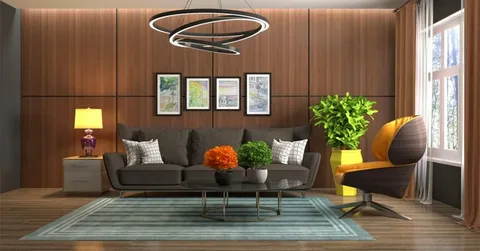
The Exceptional Interior Design style is not necessarily the one that is trending.
It is the one that makes your home feel comfortable, functional, and genuinely yours.
You might love the clean lines of Modern Design but want the warmth of a Farmhouse. You might prefer transitional furniture with Bohemian artwork. Or perhaps your perfect style is something completely personal.
That’s completely fine.
Design styles are not rules; they are guides.
“Begin with something you love. What is your life like? Think about your home’s layout. Then make room for what is most important to you.
Selecting the proper method can ensure your home is attractive without giving up the charm that makes it your home.
Frequently Asked Questions About Interior Design Styles
How do I choose an Interior Design style when I like several different looks?
You don’t need to force yourself into one style. Pick one as your base, then bring in small elements from the others. This keeps the room personal without making it look random.
How do I stop my home from looking cluttered when I love decor?
Give your favorite pieces room to shine. Group related things together, leave some space, and don’t cover every surface. A few meaningful things usually make a larger effect than too many accessories.
What should I choose first when starting an Interior Design project?
Begin by defining the room’s function, dimensions and essential furniture. Then pick your color scheme and essential elements before purchasing decor. This stops you from buying things that seem beautiful on their own, but don’t match.
How can I make sure my Interior Design choices fit my lifestyle?
Consider your practical needs in relation to the space. Durable materials, comfy furnishings, and efficient storage should take precedence over aesthetics if you have kids, pets, guests often, or limited time to do repairs.
When is an Interior Design Service worth hiring?
When you are stuck, have second thoughts, or are afraid of making expensive mistakes, it can be helpful to see a professional. A designer can assist you in integrating your thoughts into a workable plan that complements your area and meets your requirements.