
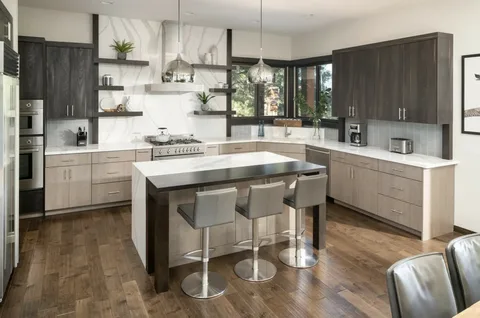
A beautiful home should feel comfortable, useful, and personal. Yet, creating that feeling can become confusing when design costs enter the picture. Interior Designers Cost depends on the size of the space, project goals, designer experience, location, and pricing method.
So, how much to hire an interior designer depends on what the designer actually handles. A simple consultation may cost far less than full-service design. Likewise, a single-room refresh will usually cost less than a whole-home renovation. Understanding these differences helps homeowners set a realistic budget, compare quotes, and avoid surprise charges.
1. What Does an Interior Designer Cost?
The first step toward a clear budget is understanding the typical price range. Current U.S. data shows that professional interior design projects often fall between $2,055 and $15,256. The reported average is around $8,550.
However, these numbers are only starting points. A small bedroom consultation may need just a few hours. Meanwhile, a kitchen, bathroom, or whole-home project can require planning, drawings, sourcing, meetings, and contractor coordination.
Several factors can change the final amount:
- Project size: More rooms usually require more design time.
- Project complexity: Kitchens and bathrooms often need extra planning.
- Designer experience: Experienced professionals may charge higher rates.
- Location: Design costs often rise in larger or high-demand markets.
- Materials: Custom furniture and premium finishes can raise the total.
Therefore, Interior Designers Cost should always be viewed as a project-specific figure rather than one fixed national price. A detailed quote gives a much clearer picture.
2. How Do Interior Designers Charge?
Understanding how much do designers charge becomes easier after learning the main pricing models. Designers commonly use hourly rates, flat fees, square-foot pricing, or a percentage of project costs. Some firms also combine two or more methods. Flat fees offer a set price for a defined scope. This approach can make budgeting easier when the work is clearly outlined. Square-foot pricing may suit larger spaces with a predictable design scope.
Percentage-based pricing can appear on larger renovations. In current U.S. cost data, percentages may range from 10% to 30% of the project cost. Before signing, review the fee structure, payment schedule, revisions, purchasing fees, and project management costs.
3. What Affects the Final Design Price?
Many homeowners focus on the designer’s fee first. However, Interior Designers Cost can also reflect the size, condition, materials, and complexity of the space.
For example, a living room refresh may involve furniture placement, colors, lighting, and decor. A kitchen redesign can involve cabinets, countertops, appliances, lighting, plumbing, and contractor coordination. Naturally, the second project requires more planning.
4. What Services Can an Interior Designer Include?
Interior design can cover much more than choosing paint colors. Depending on the agreement, a designer may create layouts, develop concepts, select finishes, source furniture, prepare drawings, and coordinate with contractors. Some designers provide a limited consultation. Others manage the design from the first idea through installation. Therefore, Interior Designers Cost often reflects the level of involvement rather than simply the number of rooms.
Some designers also offer 3D renderings or mood boards. Current cost data places consultations and design visuals in a broad range of roughly $200 to $3,000, depending on scope.
5. Is Hiring an Interior Designer Worth the Money?
The answer depends on the homeowner, budget, and project. A person updating one room may handle the work independently. However, larger renovations can become difficult when many decisions must happen at once. A designer can help organize choices around layout, furniture, finishes, lighting, and overall style. This can reduce the time spent searching for options and help create a more connected result. Local searches can also produce different service categories. For example, Exceptional Interior Design Services in Frankfort, IL may focus on residential spaces and local preferences.
Hiring interior designers can also provide access to professional trade relationships and sourcing knowledge. Designers may understand which materials fit a budget and which choices work together visually.

6. How to Budget for Interior Design
A strong budget starts with the complete picture. Instead of looking only at the design fee, consider the entire amount available for the room or renovation. Separate the budget into design services, furniture, materials, labor, delivery, installation, and possible extras. This approach makes it easier to see where the money goes. Keep a small reserve for unexpected costs. Older homes may reveal repairs once work begins. Likewise, product availability can change choices and delivery costs.
7. How to Compare Interior Design Quotes
Learning how to hire an interior designer involves more than comparing the lowest number. Two designers can quote different prices because their services, experience, and responsibilities differ. Then look at the payment structure. Some professionals request an initial deposit. Others divide payments across design stages. Make sure the agreement explains what happens if the project scope changes. Commercial Interior Designer may work with offices, retail spaces, restaurants, or other business properties.
A useful comparison can include:
- Total design fee
- Hourly or flat-rate structure
- Estimated design hours
- Number of revisions
- Purchasing or sourcing fees
- Project management charges
- Cancellation terms
- Expected timeline
Angi recommends discussing project scope, budget, location, vision, and design style before moving forward. The goal is not simply to find the cheapest quote. Instead, look for a clear match between the price, service level, communication, and project needs.
8. Local Design Costs and What Homeowners Should Know
Location can influence Interior Designers Cost because labor, demand, living expenses, and project types differ across the country. A homeowner in a large city may see different rates than someone in a smaller community.
Homeowners may also encounter Interior Design Services in Orland Park, IL when comparing local options. These examples show why a national average should never replace a local quote. Most importantly, focus on the complete value of the agreement. A clear scope can make the price easier to understand and reduce confusion later.
A Simple Way to Think About Your Budget
Think of interior design as more than a decorating expense. It can shape how a home feels, functions, and supports everyday life. The right budget should balance professional help with furniture, materials, labor, and personal priorities. That flexibility can work in a homeowner’s favor. A thoughtful plan can match the available budget instead of forcing every project into the same pricing model. When comparing local options, Laura’s Interiors is one example of a design business name homeowners may encounter during research.
FAQs
What is the average cost of hiring an interior designer?
Many U.S. interior design projects fall between about $2,055 and $15,256, with an average near $8,550. However, the final amount depends on project size, location, designer experience, services, and material choices.
Do interior designers charge by the hour?
Yes. Hourly billing is common for consultations and smaller projects. Current estimates show professional interior designers may charge about $100 to $500 per hour, although rates vary by location and experience.
Does an interior designer fee include furniture?
Usually, the professional design fee and furniture costs are separate. Some designers may also charge sourcing, purchasing, or project management fees.
Is an interior designer worth the cost for one room?
It can be worthwhile when a homeowner needs help with layout, colors, furniture, or planning. However, a simple room refresh may only require limited consultation rather than full-service design.
Can interior design costs be reduced?
Yes. A limited-scope consultation can cost less than full-service design. Reusing existing furniture, limiting custom pieces, and choosing which rooms need professional help can also keep the overall budget under control.